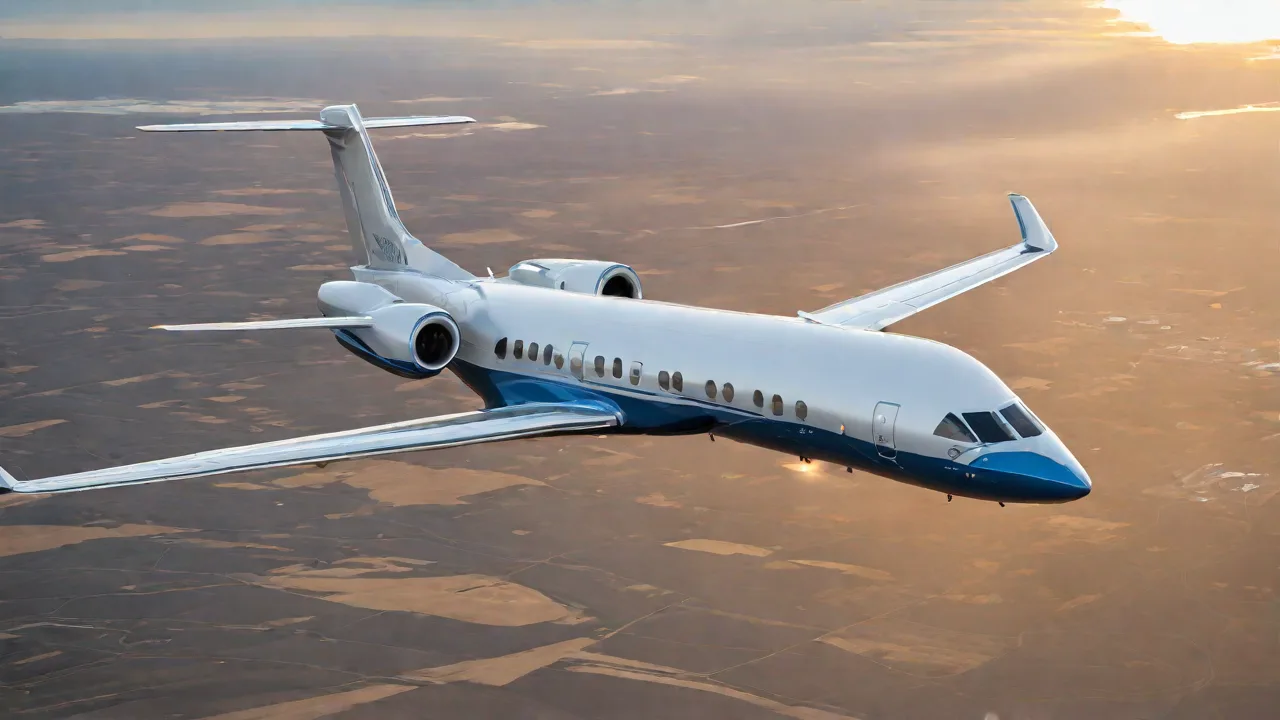
Aerosimulations.com’s Innovations in Ar for Commercial Flight Operations
How Aerosimulations.com is Transforming Commercial Flight Operations with Augmented Reality
Augmented reality (AR) is no longer a futuristic concept confined to gaming and entertainment. In the aviation industry, AR technology is rapidly reshaping how pilots train, how maintenance crews work, and how airlines manage safety. At the forefront of this transformation is Aerosimulations.com, a company whose AR innovations are setting new benchmarks for commercial flight operations. By overlaying digital information onto the real world, Aerosimulations.com is delivering solutions that reduce costs, improve skill retention, and enhance operational safety. This article explores the key areas where Aerosimulations.com is applying AR technology, the benefits it brings, and what the future holds for aviation AR.
AR-Powered Pilot Training: Beyond Traditional Simulators
For decades, pilot training has relied on full-flight simulators (FFS) — multimillion-dollar machines that replicate cockpit environments with high fidelity. While effective, these simulators are expensive, require dedicated facilities, and are limited in availability. Aerosimulations.com's AR training modules offer a scalable alternative that complements existing simulation systems without sacrificing realism.
Immersive Scenario-Based Training
Aerosimulations.com has developed AR applications that allow pilots to practice emergency procedures, abnormal situations, and routine operations in a controlled but highly realistic setting. Using AR headsets such as the Microsoft HoloLens or tablet-based overlays, pilots can see virtual instruments, weather effects, and system warnings projected onto their actual environment. For example, a trainee can walk around a physical training room while AR displays virtual engine fires, hydraulic failures, or navigation challenges. This mixed-reality approach blends the safety of simulation with the physical presence of real-world movements.
The company’s AR training platform supports both individual and crew coordination exercises. Pilots can practice communication protocols, cockpit resource management, and decision-making under pressure without needing a full crew or aircraft. According to a 2023 study by the International Journal of Aerospace Engineering, trainees using AR for emergency procedures demonstrated 35% faster recall of correct actions compared to those trained solely with manuals and video presentations.
Reducing Training Costs and Time
Traditional simulator sessions can cost airlines hundreds of dollars per hour, not including travel and accommodation for trainees. Aerosimulations.com’s AR modules can be deployed on existing tablets or smart glasses, drastically lowering the per-trainee cost. Airlines can conduct recurrent training and refresher courses in-house, eliminating the need to rent external simulator time. Furthermore, AR allows for distributed training — pilots at different airports can participate in the same virtual scenario simultaneously, fostering team coordination across bases.
One regional airline that adopted Aerosimulations.com’s AR system reported a 40% reduction in training hours for emergency procedures while seeing a measurable improvement in pilot confidence during check rides. The ability to visualize 3D system schematics — such as fuel flows, hydraulic circuits, or electrical buses — accelerates comprehension of complex aircraft systems that are often abstract in two-dimensional diagrams.
Real-Time Performance Analytics
Aerosimulations.com integrates performance tracking into its AR training. Instructors can monitor eye-gaze patterns, reaction times, and decision sequences via an analytics dashboard. After each session, trainees receive personalized feedback highlighting areas for improvement. This data-driven approach enables targeted coaching rather than generic training programs, further enhancing skill retention and safety.
AR for Aircraft Maintenance and Line Operations
Beyond pilot training, Aerosimulations.com has made significant strides in applying AR to aircraft maintenance — a domain where precision and speed directly impact safety and operational efficiency. Maintenance, repair, and overhaul (MRO) operations are complex, often requiring technicians to reference multiple manuals, schematics, and service bulletins. AR simplifies this by projecting critical information directly onto the aircraft components being serviced.
Step-by-Step Instructions with Overlays
Aerosimulations.com’s AR-guided maintenance system uses computer vision to recognize specific parts of an aircraft (e.g., landing gear assemblies, engine fan blades, avionics bays) and overlays step-by-step instructions, torque values, and safety warnings. The technician sees arrows pointing to the next bolt to remove, a virtual checklist of required tools, and real-time diagnostic data from the aircraft’s onboard systems. This reduces reliance on paper manuals and minimizes the risk of skipped steps or incorrect procedures.
For example, during a routine landing gear inspection, the AR headset can highlight corrosion-prone areas based on the aircraft’s registration and flight history. The system cross-references the aircraft’s maintenance log and fleet-wide data to alert the technician to known issues. According to a case study by MRO Management, AR-guided inspections reduced average job completion time by 28% and lowered error rates by 45% in a pilot program using Aerosimulations.com’s technology.
Remote Expert Assistance
In addition to standalone guidance, Aerosimulations.com’s AR platform supports remote collaboration. A technician wearing an AR headset can live-stream their field of view to a senior engineer located anywhere in the world. The expert can draw annotations, point to specific components, and share diagrams directly onto the technician’s view. This capability is especially valuable for rare or complex repairs at smaller airports where on-site specialists may not be available. It reduces aircraft-on-ground (AOG) time and eliminates costly travel for experts.
Integration with Predictive Maintenance
Aerosimulations.com is also working on integrating AR with predictive maintenance systems. By overlaying sensor data and trend analysis onto physical components, technicians can see which parts are approaching end-of-life or showing early signs of wear. This proactive approach helps airlines schedule maintenance during planned downtime rather than reacting to in-flight failures. The combination of AR visualization and real-time data analytics creates a powerful tool for maintaining fleet reliability.
AR in Flight Deck Operations and Cockpit Support
While training and maintenance are primary applications, Aerosimulations.com is expanding AR into active flight operations. Their virtual cockpit display technology overlays flight instruments, navigation charts, and weather radar onto the pilot’s view through a see-through headset or helmet-mounted display. This concept — sometimes called “augmented vision” — can enhance situational awareness, especially in low-visibility conditions.
Augmented Vision for Landing and Taxiing
During approach and landing, AR can project runway outlines, approach path indicators, and terrain warnings directly onto the pilot’s line of sight. This is particularly useful for operations at airports with challenging terrain or in adverse weather. Aerosimulations.com’s system uses GPS, inertial navigation, and aircraft sensors to generate an accurate overlay that aligns with the real world. Pilots can see the desired flight path as a virtual tunnel or a ribbon on the windscreen, reducing mental workload and improving precision.
On the ground, AR aids in taxiing by highlighting taxiway centerlines, hold-short lines, and gate positions. These visual cues help prevent runway incursions and reduce the risk of wrong turns at complex airports. Several airlines are testing such systems for operational use, and Aerosimulations.com is collaborating with avionics manufacturers to certify their AR overlays for commercial aircraft.
Real-Time Data Overlays
Pilots can also benefit from AR overlays that display critical flight data — altitude, airspeed, engine parameters — without looking away from the external scene. This heads-up approach is similar to HUD (Head-Up Display) technology but uses lightweight AR glasses that do not require special coatings on the windscreen. The system can also show traffic alerts from TCAS, weather radar returns, and NOTAMs (Notices to Air Missions) plotted on a 3D map that the pilot can glance at. This integration reduces head-down time and allows pilots to maintain more continuous visual scanning.
Collaboration with Airlines and Regulatory Bodies
Aerosimulations.com does not develop these AR solutions in isolation. The company works closely with major airlines, MRO providers, and aviation authorities to ensure compliance with safety regulations and operational standards. For training applications, they coordinate with national aviation authorities (such as the FAA and EASA) to qualify AR-based sessions for credit toward type ratings and recurrent training requirements. Several airlines have already integrated Aerosimulations.com’s AR training into their approved training programs.
In the maintenance domain, Aerosimulations.com aligns its AR guidance with manufacturers’ approved maintenance procedures. The company’s software is designed to be updated seamlessly as service bulletins and airworthiness directives are released, ensuring technicians always have the latest information. They also participate in industry working groups that define best practices for AR in aviation, helping shape the regulatory framework that allows these technologies to be used safely.
Challenges and Considerations for AR Adoption
Despite its promise, AR technology in aviation faces several hurdles. Hardware limitations — battery life, weight, comfort, and field of view — remain significant for all-day maintenance use. Aerosimulations.com works with hardware partners to optimize ergonomics, but widespread adoption will require continued improvements in AR glass technology.
Data security and cybersecurity are also critical. AR systems that connect to aircraft databases, maintenance logs, and flight plans must be protected from unauthorized access. Aerosimulations.com incorporates encryption, user authentication, and secure data transmission protocols into their platform. They also adhere to industry standards such as DO-326A for airborne systems security.
User acceptance is another factor. Pilots and technicians accustomed to traditional methods may be skeptical of new AR tools. Aerosimulations.com invests in training and change management to help personnel understand the benefits and become comfortable with the technology. Their systems are designed with intuitive interfaces and minimal learning curves.
Future Developments: What's Next for Aerosimulations.com
Aerosimulations.com continues to push the boundaries of AR in aviation. Their roadmap includes:
- AI-powered adaptive training: AR scenarios that adjust difficulty in real time based on trainee performance, ensuring optimal challenge levels.
- Digital twin integration: Connecting AR overlays with high-fidelity digital twins of aircraft, allowing technicians to simulate repairs before touching the actual plane.
- Multi-user collaborative AR: Enabling several pilots or maintenance personnel to interact with the same virtual objects simultaneously, regardless of location.
- Integration with flight simulators: Blending AR visual elements with traditional full-flight simulators to create hybrid training environments that combine the best of both worlds.
- Wearable AR for cabin crew: Developing applications that assist with emergency procedures, passenger management, and in-flight medical situations.
The company is also exploring the use of AR for flight data analysis — pilots wearing AR glasses during post-flight debriefings can see their performance metrics overlaid on a replay of the flight route, complete with altitude, speed, and control inputs. This immersive debrief technique helps pilots internalize lessons more effectively than reviewing flat charts.
Impact on the Commercial Aviation Industry
The innovations championed by Aerosimulations.com are contributing to a broader shift toward digitalization in aviation. As AR becomes more embedded in training, maintenance, and flight operations, the industry can expect:
- Reduced operational costs through less reliance on physical simulators and faster maintenance turnaround.
- Improved safety via better training retention, reduced human error, and enhanced situational awareness.
- Increased flexibility for airlines to train and maintain aircraft across distributed networks.
- Faster adoption of new aircraft types as AR can accelerate familiarization with new systems and procedures.
According to a report by the FAA on emerging technologies, AR has the potential to reduce the total cost of pilot training by up to 30% while improving quality. Airlines that invest early in AR solutions from companies like Aerosimulations.com are likely to gain a competitive advantage in both safety and efficiency.
Conclusion
Aerosimulations.com is demonstrating that augmented reality is not just a gimmick but a practical, powerful tool for commercial flight operations. From immersive pilot training and guided maintenance to advanced cockpit displays, their AR solutions are delivering measurable improvements in cost, safety, and effectiveness. While challenges remain, the trajectory is clear: AR will become a standard component of aviation operations in the coming years. For airlines, MRO providers, and training organizations, partnering with innovators like Aerosimulations.com is a step toward a smarter, safer, and more efficient future in the sky.
To learn more about specific products and case studies, visit Aerosimulations.com or read their white papers on AR in aviation. For broader context on AR in industrial settings, the Boeing innovation site offers additional insights into how AR is transforming aerospace maintenance. The future of flight is augmented, and Aerosimulations.com is helping lead the way.