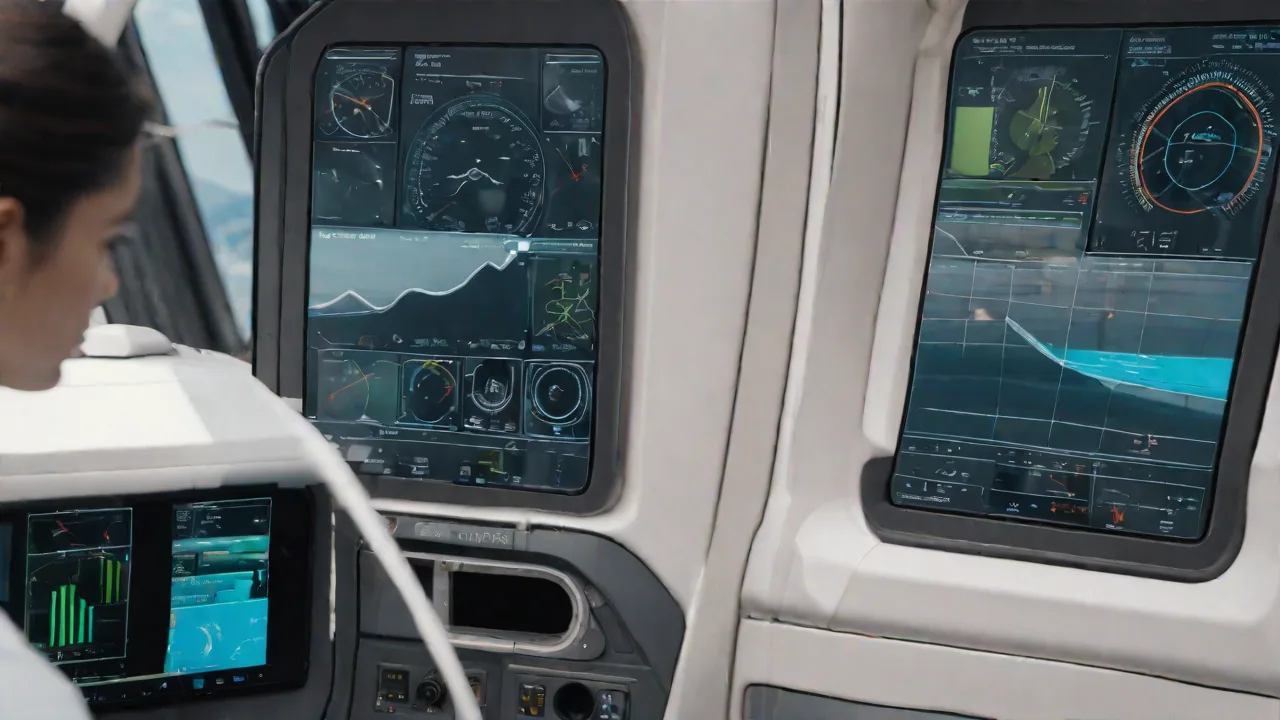
Implementing Smart Glass Technology in Cockpit Windows and Displays
Modern aviation is entering a new era of cockpit innovation, where dynamic materials are enhancing how pilots interact with their environment. Smart glass technology—once a novelty in luxury architecture and automotive sunroofs—has matured into a critical component for next-generation aircraft. By giving cockpit windows and displays the ability to change transparency, color, and thermal properties on demand, this technology directly addresses long-standing challenges in visibility, glare, temperature control, and energy management. The result is a safer, more comfortable, and more efficient flight deck.
Understanding Smart Glass Technology in Aviation
Smart glass, also referred to as switchable glass or variable tint glass, relies on materials that alter their optical properties when an electrical voltage, current, or thermal stimulus is applied. In aircraft cockpits, the primary goal is to give pilots adaptive control over light transmission through windows and display surfaces, reducing the need for mechanical shades or fixed tints.
How Smart Glass Works
Several core technologies power smart glass, each with distinct characteristics suited to different cockpit requirements:
- Electrochromic (EC) glass uses a thin multi-layer coating that changes color when a low-voltage DC current passes through it. Ions migrate between layers, altering the material’s absorption of visible light and infrared radiation. EC glass retains its tint even after power is removed, making it “memory-enabled” and energy-efficient for long-duration flights.
- Suspended Particle Devices (SPD) consist of microscopic light-absorbing particles suspended in a film between two panes of glass. When voltage is applied, the particles align and allow light to pass; when voltage is removed, they randomly orient and block most light. SPD offers fast switching speeds (seconds) and high dimming ratios.
- Polymer Dispersed Liquid Crystal (PDLC) glass uses liquid crystals embedded in a polymer matrix. In the off state, the crystals scatter light, creating a milky-white opaque appearance. When voltage is applied, the crystals align and the glass becomes transparent. PDLC is often used for privacy, but its on/off-only operation (no variable tint) limits its application for cockpit glare control.
For cockpit windows and heads-up displays (HUDs), electrochromic and SPD technologies are the most common due to their ability to provide continuous, variable light transmission and their durability in wide temperature and pressure ranges.
Integration with Existing Avionics
Smart glass does not operate in isolation. It must interface with the aircraft’s electrical bus, cockpit controls, and environmental control system. Pilots may adjust tint via a dedicated panel, an integrated touchscreen, or even automated modes that respond to sun angle, time of day, or flight phase. For example, during a night approach, the system can automatically transition to a clear state to maximize visibility, while during a high-altitude midday cruise it can darken windows to reduce glare and UV exposure.
Expanded Benefits of Smart Glass in the Cockpit
Beyond the basic improvements in glare and temperature, smart glass delivers measurable advantages across multiple operational dimensions.
Enhanced Situational Awareness Through Dynamic Glare Management
Glare from direct sunlight or reflection off clouds can temporarily blind pilots during critical phases like landing and taxi. Smart glass reduces this risk by allowing the window to darken selectively. Unlike fixed tints that impair vision in low-light conditions, adaptive glass strikes a balance, enabling the pilot to see both outside and inside instruments clearly. Some advanced systems also incorporate “zonal control,” where only the portion of the window facing the sun darkens, leaving surrounding areas transparent.
Thermal Regulation and Cabin Comfort
Cockpit windows are a major source of heat gain, especially in high-altitude, high-sun environments. Traditional clear windows allow large amounts of infrared energy to enter, forcing the air conditioning system to work harder. Smart glass, particularly electrochromic and SPD, can block up to 97–99% of near-infrared radiation, significantly reducing heat load. This not only keeps the cockpit cooler for pilots but also reduces the demand on the environmental control system, translating to fuel savings. In extremis, it can also help manage ice formation on the inner pane by balancing internal moisture and temperature gradients.
Safety Improvements at Critical Flight Phases
During takeoff and landing, pilots must have the clearest possible view of the runway and surrounding traffic. Smart glass can be programmed to automatically go to a fully clear state when the landing gear is deployed or when the aircraft descends below a certain altitude. Conversely, when the aircraft is parked on a sunny ramp, windows can darken to prevent cockpit electronics from overheating and to protect sensitive displays from direct sunlight damage. Additionally, in the event of a bird strike or debris impact, smart glass layers can be designed to maintain structural integrity while the outer pane fractures, a feature not available in traditional mechanical shading systems.
Weight Reduction and Simplified Maintenance
Mechanical shades, roller blinds, and pull-down visors add weight, moving parts, and maintenance points. By replacing them with an integrated smart glass system, original equipment manufacturers (OEMs) can reduce overall cockpit weight by several kilograms per aircraft. Over the life of a fleet, this weight saving compounds into reduced fuel burn. Smart glass also eliminates the need for periodic cleaning and repair of fabric shades, and because the glass itself is sealed within a laminated structure, it is resistant to dust, corrosion, and vibration that plague mechanical systems.
Energy Efficiency and Lower Operating Costs
The combination of reduced thermal load, less reliance on air conditioning, and elimination of mechanical shade actuation leads to measurable energy savings. Airlines operating in hot climates report that smart glass can cut cockpit air conditioning energy consumption by 15–25%. In addition, the reduced wear on moving parts lowers unscheduled maintenance events. Over a 20-year aircraft life, the total cost of ownership for smart glass is often lower than for conventional windows with mechanical shades, even after accounting for the higher initial purchase price.
Implementation Process: From Design to Certification
Integrating smart glass into a cockpit is a multi-disciplinary effort that involves materials science, electrical engineering, human factors, and aviation certification bodies such as the FAA and EASA.
Technology Selection
The choice between electrochromic, SPD, or a hybrid system depends on the specific needs of the aircraft. For high-performance business jets, electrochromic is often favored for its memory function and smooth transition. For helicopters or aircraft with extremely rapid light changes, SPD’s sub-second switching speed may be more appropriate. Recent advances in solid-state electrochromic have improved cycling life beyond 100,000 transitions, meeting the 20+ year service life expected of commercial cockpit windows.
Design Integration: Window and Display Modification
Smart glass layers must be embedded into the laminated safety glass structure that already meets bird-strike and pressure differential standards. Engineers must design an ITO (indium tin oxide) or similar transparent conductive coating to serve as the electrode. The coating must be thin enough to not interfere with optical clarity but durable enough to handle repeated voltage cycles. In addition, thermally insulating edge seals and de-icing elements must be coordinated with the smart glass stack to prevent delamination under extreme temperature swings (−55°C to +70°C).
Electrical Control Systems
Reliable power delivery is critical. A dedicated smart glass controller, often integrated into the aircraft’s power distribution unit, supplies a modulated voltage to the windows. The controller must be fail-safe: if power is lost, the glass should default to a clear state so that pilots retain normal visibility. Advanced controllers incorporate automatic light sensors that measure ambient luminance and adjust tint accordingly, as well as manual override switches on the glare shield or side console.
Testing and Certification
Smart glass for cockpit applications must pass an extensive suite of tests. Radiation hardness testing ensures the materials do not degrade under the increased UV and cosmic radiation at altitude. Thermal cycling tests confirm that the glass and electrical connections survive repeated thermal stress. Durability tests simulate years of heavy use, including vibration, humidity, and rapid decompression. The FAA’s AC 20-140 provides guidance on flammability, and DO-160 environmental conditions are referenced for electrical interference and lightning strike protection. Only after passing these tests can the rearward-facing product receive a Supplemental Type Certificate (STC) or be incorporated into a new type design.
Applications Beyond Cockpit Windows
Smart glass is not limited to side and windshield panels. The same technology is being deployed in several other cockpit and cabin systems:
- Heads-Up Displays (HUDs): Electrochromic coatings can dynamically adjust the background transparency of the combiner glass, improving contrast of projected symbology against bright sunlight.
- Touchscreen Instrument Panels: Next-generation glass cockpits are experimenting with smart glass overlays that reduce reflection and improve readability of primary flight displays.
- Passenger Cabin Windows: While not strictly cockpit, many of the same materials used in cockpit smart glass are now being adapted for cabin windows, allowing airlines to eliminate plastic window shades entirely. This provides a unified passenger experience and additional fuel savings.
- Flight Deck Privacy Dividers: In larger aircraft, PDLC smart glass is used on partitions between the cockpit and the crew rest area, allowing pilots to quickly create a darkened sleeping environment without installing curtains.
Challenges and Ongoing Development
Despite rapid progress, smart glass adoption in cockpits still faces several barriers:
High Initial Cost
The specialized materials and multi-layer manufacturing required for aviation-grade smart glass make it 2–5 times more expensive than traditional laminated windows. However, the cost gap is narrowing as production volumes increase, especially as automotive and architectural applications drive down material costs. Some analysts predict that by 2028, the price premium will drop to less than 30%.
Integration Complexity
Retrofitting smart glass into existing fleets requires re-engineering the window frame, electrical harness, and sometimes the windshield mounting structure. This complexity adds downtime and engineering effort. OEMs designing new aircraft (such as the FAA’s NextGen propulsion initiatives) are better positioned to integrate smart glass from the initial design phase.
Manufacturing and Material Durability
The conductive coatings used in smart glass can develop micro-cracks after repeated thermal shocks or pressure cycles. Research into flexible electrodes based on graphene and silver nanowires is ongoing, promising to extend the service life beyond 150,000 cycles. In addition, the uniformity of tint across large window areas remains a production challenge; slight variations can create distracting optical artifacts for pilots.
Regulatory Hurdles
Certifying a new material for use in a primary flight-critical area is a multi-year effort. Regulators require extensive data on fire resistance, fragmentation behavior, and ozone resistance. The path to certification is well established, but the time and cost deter many small operators. Industry groups such as the SAE AS8034 standard for aircraft windows are working to harmonize smart glass requirements across manufacturers.
Future Outlook and Research Directions
Looking ahead, the integration of smart glass into cockpit windows will become standard practice for new aircraft, much like glass cockpits replaced analog instruments.
Artificial Intelligence and Predictive Control
Future smart glass systems will not only react to light sensors but will also predict optimal tint based on flight plan data, sun angle, and cloud cover. Machine learning models could adjust the glass in anticipation of a low sun on approach, improving pilot comfort without manual intervention.
Self-Healing Materials
Researchers are developing self-healing conductive polymers that automatically repair micro-cracks in the electrode layer, promising to dramatically improve lifespan. A recent study in Nature Communications demonstrated a self-healing electrochromic material capable of restoring 95% of its original performance after damage.
Integration with Augmented Reality (AR)
Combining smart glass with an AR headset or projection system could overlay navigation data directly onto the windshield. The glass would manage background brightness, so the pilot sees both the real world and the virtual symbology with optimal contrast. This “transparent display” concept is already being explored for helicopter cockpits, where pilots need both a clear view of the outside and critical flight information simultaneously.
Expanding to All-Electric Aircraft
As electric propulsion becomes more common, the power budget for cockpit systems becomes critical. Smart glass’s ability to operate at very low voltages (1–5V DC) and draw minimal current makes it an ideal fit for electric aircraft, where every watt-hour counts. Several eVTOL (electric vertical takeoff and landing) developers are already integrating smart glass into their cockpit designs to reduce thermal load and improve battery efficiency.
The progress of smart glass technology in aviation mirrors a broader trend: the shift from passive, static materials to active, adaptive surfaces. By giving pilots precise, instant control over their visual and thermal environment, smart glass makes cockpits not only more comfortable but fundamentally safer. As costs decrease and certification pathways mature, the question is no longer whether smart glass will become standard in cockpit windows and displays—but how soon.