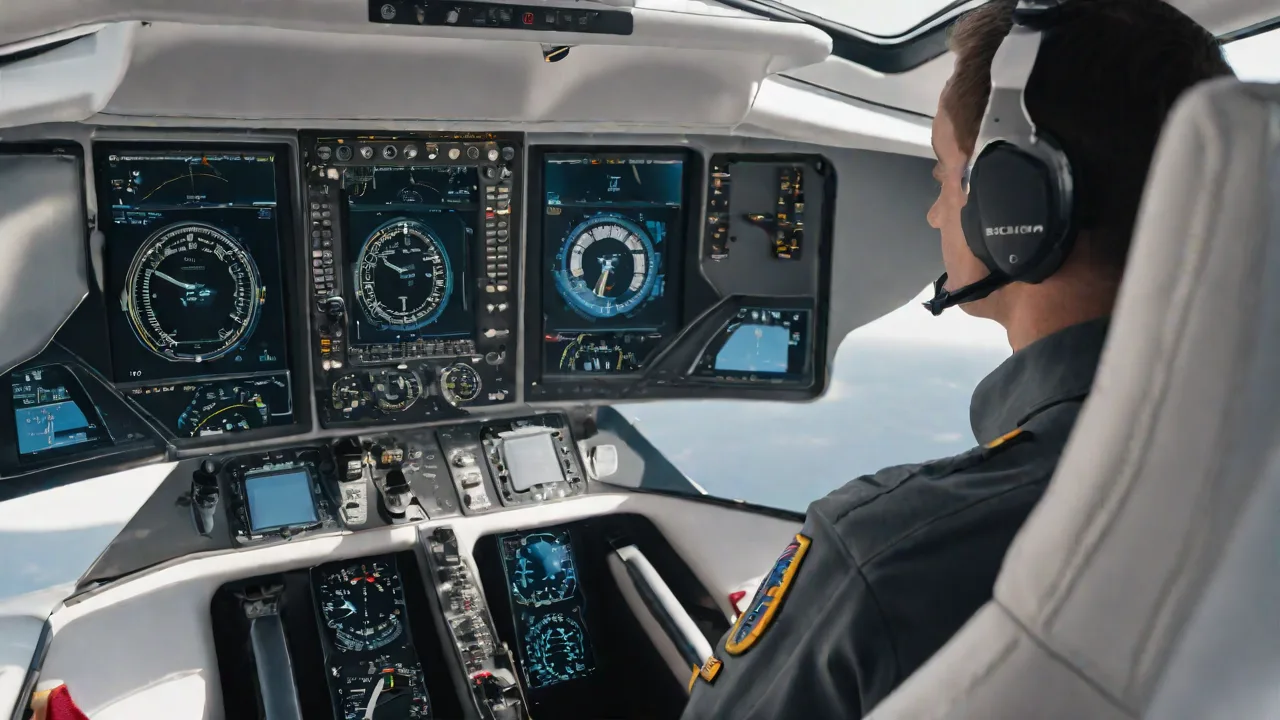
Designing Cockpits With Adjustable Controls for Pilot Anthropometric Variability
The Importance of Adjustable Controls in Cockpit Design
Adjustable controls are fundamental to accommodating the wide range of pilot body sizes and shapes, a factor known as anthropometric variability. Without proper adjustability, pilots who are shorter or taller than average may struggle to reach rudder pedals, see over the instrument panel, or operate controls safely. This section explores how adjustable features directly impact safety, performance, and pilot comfort.
Safety Implications
In an emergency, every second counts. A pilot who cannot quickly reach a critical switch or apply full rudder deflection due to poor control position faces delayed response times. Studies have shown that mismatched cockpit geometry can increase error rates and physical strain. Adjustable controls help ensure that all pilots — regardless of stature — can maintain optimal control authority and situational awareness.
Fatigue Reduction and Pilot Performance
Long flights demand sustained alertness. Fixed-position controls force pilots into awkward postures, accelerating fatigue. Adjustable seat height, lumbar support, and pedal travel allow each pilot to find a neutral, relaxed driving position. Reduced fatigue improves concentration, decision-making, and overall mission effectiveness.
Understanding Anthropometric Variability
Anthropometric variability refers to the differences in human body dimensions such as height, weight, limb length, and sitting eye height. Modern aviation draws pilots from diverse populations worldwide, creating a broad spectrum of physical sizes. Cockpit designers must account for this variability to ensure safe operation by pilots from the 5th percentile female to the 95th percentile male and beyond.
Key Anthropometric Dimensions for Cockpit Design
Several specific body measurements directly influence cockpit control placement:
- Sitting eye height – determines the vertical position of the instrument panel and the pilot's line of sight over the nose.
- Buttock-heel length – affects pedal reach and seat fore-aft travel.
- Arm length (shoulder to fingertip) – defines the reach envelope for control yokes, sidesticks, and overhead panels.
- Thigh length – influences seat cushion length and knee clearance.
- Shoulder width – impacts lateral seat and sidewall clearance.
Sources of Anthropometric Data
Designers rely on comprehensive databases such as the ANSI/HFES 100 standard and military surveys (e.g., U.S. Army Anthropometric Survey, ANSUR II). These datasets provide percentile distributions and multivariate correlations that help engineers define the range of adjustment needed. Additionally, the FAA emphasizes human factors integration through its Advisory Circulars on cockpit design.
Types of Adjustable Controls
Modern cockpits incorporate a variety of adjustable mechanisms, each addressing a specific physical mismatch. The following subsections detail the most common adjustable controls and their operational benefits.
Seat Adjustments
The pilot seat is the foundation of cockpit ergonomics. Adjustable features include:
- Vertical height – allows the pilot to set the correct eye reference point.
- Fore-aft travel – accommodates variations in leg length for pedal access.
- Seat pan tilt and lumbar support – improves comfort and reduces lower back strain.
- Armrest adjustments – support elbow position for control yoke or sidestick operation.
Seats may be adjusted manually via levers or electrically through motor-driven slides. In advanced cockpits, seat position memory presets allow rapid transitions between flight crew members.
Flight Control Adjustments
Primary controls – yokes, sidesticks, and rudder pedals – require precise positioning:
- Control column/yoke – telescoping columns can extend or retract, and some designs allow tilt adjustment for optimal wrist angle.
- Sidestick controllers – lateral or vertical mounting brackets provide reach adjustment, and the grip angle may be customizable.
- Rudder pedal assemblies – pedals slide fore-aft and often feature adjustable heel rests and toe-brake angles. Some systems offer electric pedal adjustment synchronized with seat position.
Instrument Panel and Display Adjustments
To maintain clear visibility of flight instruments, designers incorporate adjustable panels and displays:
- Glare shield tilt – helps reduce reflections and aligns with the pilot's viewing angle.
- Instrument panel tilt – allows the pilot to angle the panel for optimal readability, especially in fighter jets with steep seat backs.
- Adjustable side consoles – provide better arm and wrist support when operating active-side controllers.
- Head-up display (HUD) combiner adjustment – permits vertical and lateral positioning to align symbology with the pilot's eye position.
Design Considerations for Adjustable Cockpit Controls
Designing adjustable mechanisms is not merely a matter of adding sliding rails. Engineers must balance range of motion, structural integrity, weight, and ease of operation. The following considerations are critical to successful implementation.
Range of Adjustment
The range must cover the target population. Most civil aviation standards require accommodation of the 5th percentile female to the 95th percentile male, though military cockpits often extend to the 1st and 99th percentiles. Designers use reach envelopes and vision cones to verify that every critical control is accessible within the adjustment range.
Ease of Use and Locking Mechanisms
Adjustment controls must be intuitive to operate during flight preparation. Common methods include:
- Manual levers and knobs – low cost, reliable, but require physical effort.
- Electric actuators – smooth and precise, but add weight and complexity.
- Automatic synchronization – seat and pedal adjustments can be linked, reducing pilot workload.
Positive locking is essential to prevent accidental movement during flight. Detents, friction locks, or motor brakes must hold the control securely in position even under high G-loading.
Integration with Safety Systems
Adjustable controls must not interfere with ejection seat clearance (in military aircraft) or with emergency exits. Cabling and mechanical linkages need protection from chafing. Additionally, adjustable features must withstand crash impact loads without releasing or causing injury.
Material and Durability
Adjustment mechanisms experience repeated cycling. Engineers select materials such as aluminum alloys, reinforced composites, and hardened steel for rails and gears. Corrosion resistance and lubrication are critical for long service life, especially in unpressurized or humid environments.
Ergonomic and Human Factors Principles
Human factors research provides the scientific basis for cockpit control placement. The goal is to minimize biomechanical stress while maximizing operational efficiency.
Reach Envelopes and Line of Sight
Controls must fall within the pilot's functional reach without requiring extreme shoulder or wrist angles. Designers create three-dimensional reach models, often using digital human simulation tools like RAMSIS or AnyBody. These simulations test countless body sizes to refine control placement.
Similarly, pilot eye position must be consistent across the population. Adjustable seats and panels ensure the pilot's eyes align with the design eye point (DEP), which is the reference point for all visual displays and head-up symbology. Deviations from the DEP can cause parallax errors or obscure critical instruments.
Feedback and Visual Cues
Pilots should receive clear feedback when controls reach their adjustment limits. Detents, audible clicks, or visual indicators (e.g., marks on tracks) help prevent over-travel. For electric systems, end stops and soft limits are integrated into the control software.
Additionally, adjustment mechanisms should be easily identifiable by touch (shape coding) and positioned where they do not interfere with primary flight controls or cause inadvertent activation.
Regulatory and Industry Standards
Aviation authorities mandate minimum requirements for cockpit adjustability through design standards and type certification. The FAA's Advisory Circular 20-53B addresses cockpit controls and displays. EASA's Certification Specifications for Large Aeroplanes (CS-25) include detailed human factors requirements. Military standards such as MIL-STD-1472G provide even more rigorous anthropometric accommodation guidelines.
Compliance with these standards is verified through physical testing with representative subject populations or through validated digital human models. Certification documentation must demonstrate that all primary controls are adjustable to fit at least 90% of the target pilot population.
Challenges and Future Directions
Despite decades of progress, challenges remain in achieving universal cockpit adjustability. The following are key areas of ongoing development and obstacles.
Cost and Weight Constraints
Electrically powered adjustment systems add weight, complexity, and cost. For light aircraft and rotorcraft, manual adjustments remain common, but they require more physical effort from pilots. Designers must trade off adjustability range against weight and maintenance burden.
Standardization Across Aircraft Types
Each aircraft manufacturer implements its own adjustment philosophy, creating inconsistencies that airline pilots must adapt to when transitioning between fleets. Efforts by organizations like the SAE International's G-3 Human Factors Committee aim to standardize cockpit control architectures and adjustment ranges.
Smart Controls and Biometric Integration
Future cockpits may use automatic adjustment based on pilot biometric data. For example, a seat could recognize a pilot upon boarding and automatically move to preset positions using RFID or facial recognition. More advanced concepts include adaptive controls that dynamically adjust stiffness or damping based on pilot grip force and fatigue detection.
Haptic feedback in control yokes and sidesticks could also be tuned to individual hand size and strength, providing better control feel and reducing risk of over-control. NASA's research into adaptive cockpit technologies continues to explore these possibilities.
Conclusion
Designing cockpits with adjustable controls is a non-negotiable requirement for safe, efficient aviation. By understanding anthropometric variability, applying sound ergonomic principles, and integrating robust adjustment mechanisms, engineers can create cockpits that fit the full spectrum of pilots. Continued regulatory oversight and technological innovation will further reduce the gap between human diversity and machine design, ensuring that every pilot can operate their aircraft with confidence and comfort.